Freelancing
How to Become a Graphic Design Freelancer: 10 Steps in 2026

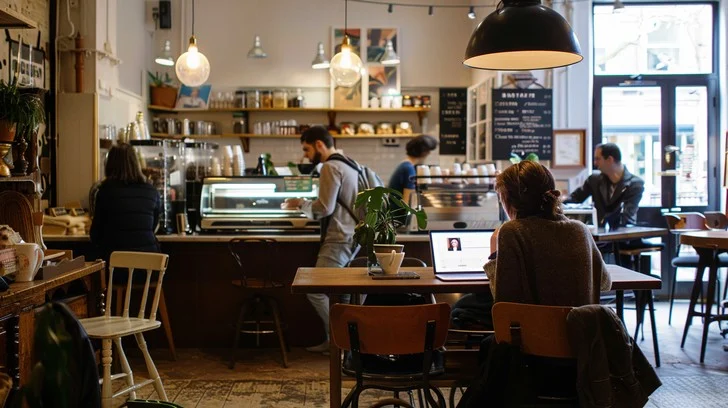
Freelancing in graphic design looks exciting when I see people posting about it on LinkedIn. I have seen designers working from cafés, building cool portfolios, working with global clients, posting aesthetic desk setups, and talking about creative freedom like they have life completely figured out. But reality hit me differently.
I understood that freelancing is not just about making good designs, posting them on LinkedIn, or uploading reels on Instagram. There is a lot more to it. I learned how important it is to communicate with clients properly, present yourself professionally, stay consistent when nobody notices your work initially, and most importantly, keep going even during slow months.
The good news is that becoming a graphic design freelancer in 2026 is far more accessible than it used to be. You do not need a design degree anymore. You do not need a huge audience. You do not need an expensive MacBook setup to begin.
What matters now is clarity, consistency, and your ability to improve publicly.
The internet has created endless opportunities for designers. Startups need branding. Creators need thumbnails and social media creatives. Businesses need websites and presentations. Founders need visual communication more than ever before.
And honestly, good designers are still rare.
So if you are serious about becoming a freelance graphic designer in 2026, here are 10 practical steps that actually matter:
1. Stop Learning Everything at Once.
One mistake I made when starting freelancing was trying to learn every type of design at the same time. UI design, brand design, motion graphics, 3D design, video editing, thumbnail design. Everything looked exciting. Everything felt interesting in the beginning.
But trying to master everything at once usually slows your growth.
Instead, focus on one area first and become genuinely good at it. Pick one direction and stay with it long enough to improve.
In 2026, designers who have clarity tend to grow faster than designers who keep switching between different fields. You can always expand your skills later. But in the beginning, focus matters more than variety.
2. Build Your Real Design Projects
I used to watch tutorials during the beginning of my journey. It helped me understand design tools. But creative thinking? No, it did not help much. I spent months watching videos related to design tools and speed arts without actually creating anything myself. Then I realized that I needed to build real design projects independently. That is where the real growth happens.
Start redesigning bad websites. Create fake brand identities. Design a poster daily. Build landing pages for imaginary startups. Create dummy case studies and similar projects. Just get your hands dirty. That is how you develop taste.
Your first projects will probably not look amazing. That is completely normal. Every designer you admire once had average work too. The important thing is consistency. Because consistency slowly improves your eye for details like typography, spacing, composition, color, and storytelling.
3. Create a Really Strong Portfolio Before Looking for Clients
I was in a phase where I thought I needed clients to build my design portfolio. That is half true. But that mindset kept me stuck in a small bubble.
First, you got to understand why you need a portfolio. Do you think it is just a collection of your design work? Definitely not. It is a medium to showcase your design thinking and how you approach visual problem-solving.
Now you might have a question. Without clients, how can I build a portfolio? Even if you have never worked with a real client before, you can still create strong portfolio projects.
Can I tell you a secret that nobody really talks about? Most clients care more about presentation than how “real” your projects are. They care about how you present your work, your process, your thinking, and the final outcome. A good portfolio should feel intentional.
Instead of uploading random design work, explain your thinking. Show the problem. Show the process. Show the final outcome properly. Use tools like Notion to create case studies. Build website pages that explain your projects clearly. Even three or four strong case studies are enough to make someone take you seriously. Make sure your portfolio presentation is stronger than simply showcasing random designs you created in the past.
4. Learn How to Communicate Professionally
This is where I really lack. This is most underrated skill that not only help you in freelancing. But in your life as well. I understood something lately that clients don’t pay for design, they pay for reliability. Don’t worry you don’t need fancy corperate english. You just need to communicate your design thinking clearly.
Reply properly. Ask thoughtful questions. Understand the client’s business before jumping into visuals. Explain your design decisions simply. Most clients are not designers. So your ability to simplify ideas matters a lot. Honestly, good communication alone already puts you ahead of many freelancers.

5. Start Posting Your Work Online
I literally attract opportunities by posting consistently online. Just be shameless on posting it online. One of the biggest advantages designers have today is visibility. Everyone is in instagram. Everyone is in linkedin. What is stopping you to post in social media platforms. I posted my design works in platforms like Behance, Dribbble, Instagram, Twitter etc.
And you don’t need to be a influencer. You can just post your works on social media and clients would love to see your works. You can leverage these platforms like instagram and twitter to showcase your outcome and the clients would look into your profile and get an idea of how you do works. When you get a inbound lead through these social media platforms, you can share your portfolio with them to work on a freelancing project. People in social media love to see how creative people thinks. That is how opportunities start to appear for me. People started to appriciate my works in instagram. That’s when they started to enquire about my freelancing gigs. That’s how I convert clients from online presence.

6. Learn AI Tools Just To Stay Ahead Of Time
Lot of designers who aren’t aware of AI are still believing that AI is going to replace them. Only smart designers knows how to leverage AI andget the work done faster. I 100% believe that AI is not going to take up our career. Our creative thinking isn’t gonna replaced. It replaced only the repetative task and speeden up your workflow.
The smartest designers in 2026 are learning how to integrate AI into their design process. I have already listed best AI design tools in our website. Use these AI tools to brainstrom, research, generate designs, Creating copies and increase your productivity.
One thing I wanted to say is, human emotions still matters. Though you are using AI in your creative design process, human creativity still matters deeply to bring in the human emotional touch to it. Treat AI as an accelarator to speed up your execution process and bring your imagination to reality. Designers who combine creativity with modern workflows are definitely moving faster right now.

7. Stop Competing Only on Cheap Pricing
I had a really great lesson on this. I usually see what other freelancers price their client. So that I can quote less than them and attract the client. This is biggest common mistake I did as a beginner.
I charged one of the client who needed a landing page at a low price since I don’t have a good expereince in particularly on designing landing apge. But I know that I can pull it off. When i started to price them at a peanut price they started to take advantage of me and asked me to work for all their feedbacks which went too unrealistic. And I couldn’t able to come out of that trap.
So cheap pricing often attracts difficult projects and exhausting clients. Instead of competing only on pricing, compete on professionalism. Be reliable. Deliver on time. Present your work properly. Communicate clearly. Clients remember smooth experiences far more than discounts. And honestly, being easy to work with is one of the most underrated business advantages.

8. Build Systems Early
Freelancing started to feel very stressful for me when everything became disorganized. I did not even know where my old design files were. I could not remember the last time I spoke with a previous client regarding payment. Eventually, this led to missed deadlines, delayed invoices, and constant confusion.
This chaos slowly started affecting my creativity. And for a while, I stopped freelancing because I was not able to manage everything properly. That is when I realized that I needed to stay organized and build systems before taking on freelance projects.
The systems I am talking about are simple things like
- creating organized project folders,
- using proposal templates,
- setting up invoice systems,
- building onboarding forms,
- and properly tracking revisions and timelines.
You do not need complicated systems. Even simple organization of design files can completely change how professional you feel. Send the output files to clients in a structured format. Clients love noticing that immediately.
9. Learn Personal Branding
This is going to be one of the most important skills you should learn while freelancing in 2026. As I mentioned in point 5, your online presence matters more than ever because people hire people, not just portfolios.
Let people understand who you are. Share your journey. Share your thoughts. Share your creative process. This is exactly why founder-led content performs so well on LinkedIn today. People connect with people. They do not connect emotionally with brands.
The more authentic your voice becomes, the easier it gets for the right people to remember you.
10. Stay Consistent Long Enough
This is probably the hardest part of freelancing. Most people quit too early. They post for two weeks. Apply to a few clients. Create one portfolio project. Then disappear because results do not happen immediately. But freelancing rewards consistency heavily.
Most successful designers were not magically successful overnight. They simply stayed visible long enough to improve. That is the real game. The internet just makes success look instant.
Final Thoughts
Becoming a graphic design freelancer in 2026 is honestly more possible than ever before. But it takes more than just learning design software or posting cool designs online. You need creative skills, communication skills, consistency, patience, and most importantly, the ability to keep improving publicly without giving up too early.
And trust me, you do not need to have everything figured out before starting. Most freelancers learn while building. That is exactly how confidence gets built too.
So stop waiting for the “perfect time” to start freelancing. Just start creating. Start posting your work. Start improving little by little.
Because momentum usually comes from small steps repeated consistently over time. And honestly, that is how most successful freelance designers actually grow.
If you found this blog helpful, share it with a friend who is trying to start freelancing in graphic design. It might help them get started a little faster.